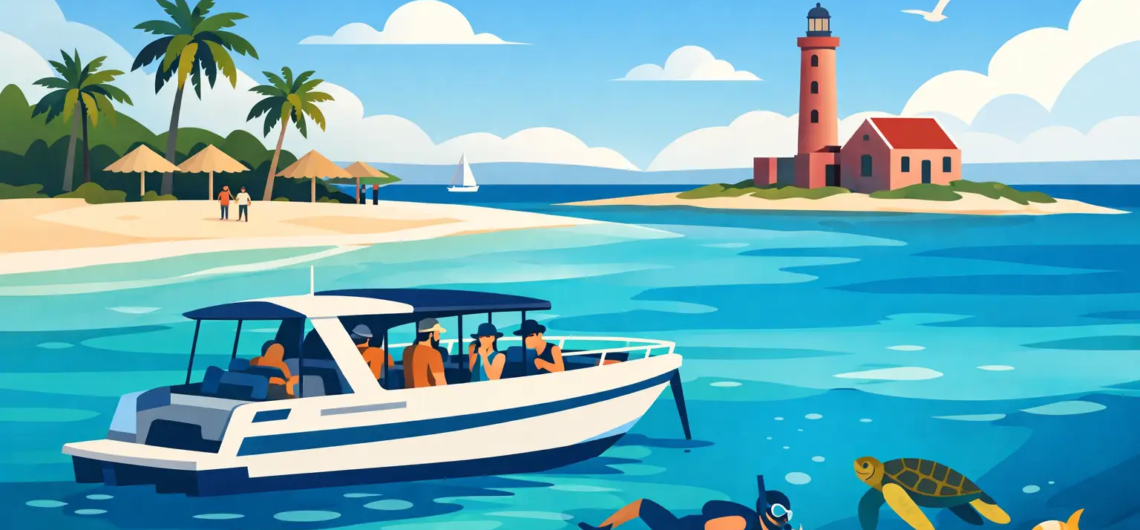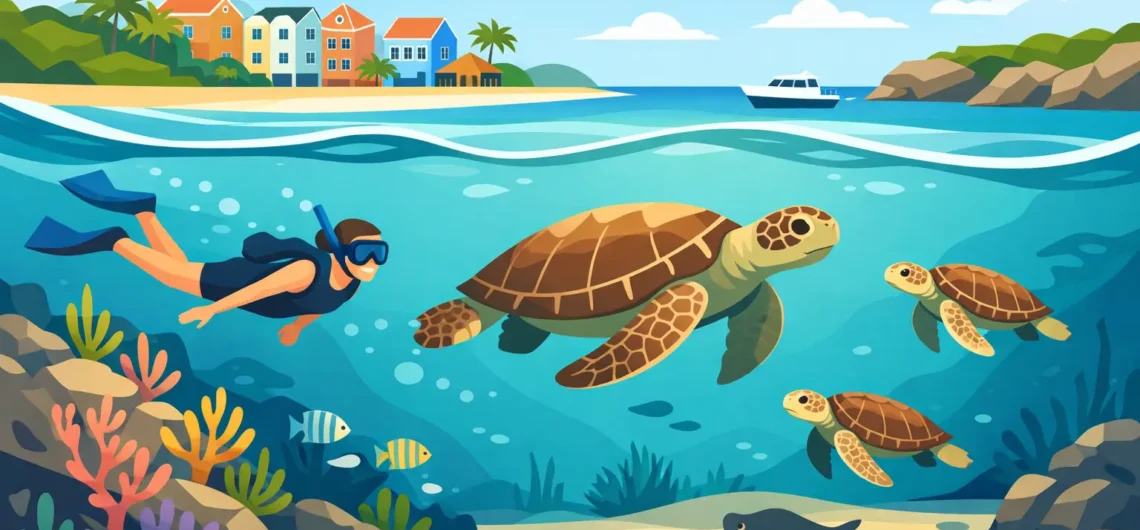

You spot the first turtle just offshore, calm and unbothered, gliding over the reef like it owns the place. That moment is exactly why so many visitors ask: is swimming with sea turtles safe? The short answer is yes, usually – if you choose the right location, respect the animal, and follow a few basic rules in the water.

In Curaçao, sea turtle swims are one of those bucket-list experiences that really do live up to the photos. But this is still a wildlife activity in open water, not a pool encounter. Safety depends on conditions, your comfort level in the ocean, and how the experience is managed.

Is swimming with sea turtles safe for most travelers?

For most healthy travelers, swimming with sea turtles is considered a low-risk activity when conditions are calm and the outing is organized well. Sea turtles are generally peaceful animals. They are not hunting people, they are not territorial in the way some marine life can be, and in places where they are commonly seen, they often continue feeding or surfacing without much drama.

That said, low risk does not mean zero risk. The main hazards usually have less to do with the turtle itself and more to do with the environment around it. Waves, currents, slippery shoreline entry points, boat traffic, sun exposure, and overconfidence in the water are much more common issues than any direct problem with a sea turtle.

This is why families, couples, cruise visitors, and first-time snorkelers can often enjoy the experience safely, but only when it matches their ability. A confident swimmer on a calm morning will have a very different experience from someone who gets anxious in deep water or has never used a mask before.

What are the real risks?

If you are wondering whether swimming with sea turtles is safe, it helps to separate movie-style fears from what actually happens. Sea turtles are wild animals, so they can react if they feel cornered, grabbed, or stressed. A startled turtle can move suddenly, scratch with a flipper, or try to bite. That is rare, but it is exactly why touching and chasing are never a good idea.

The bigger concern is usually the setting. Many turtle spots are near rocky coastlines or active snorkeling areas. Entry and exit can be tricky if the shore is uneven. If the water is choppy, even strong swimmers can get tired faster than expected. Snorkel gear that does not fit well can also create stress fast, especially for beginners.

There is also the visibility factor. Clear water makes everything easier. If visibility drops because of wind or surf, swimmers may lose track of where they are, drift farther than intended, or feel disoriented. Add heat, excitement, and a little vacation overconfidence, and small issues can turn into a rough experience.

When the turtle is not the problem

A lot of people picture the animal itself as the danger. In reality, sea turtles are often the calmest thing in the water. What matters more is whether you enter at a suitable beach, whether there is supervision or guidance, and whether you know your limits.

In Curaçao, popular turtle areas can be very accessible, which is great for visitors with limited time. But accessibility can create a false sense that it is effortless for everyone. Easy to reach does not always mean easy to manage if the sea is rough that day or if you are uncomfortable snorkeling.

That is where local guidance makes a big difference. An experienced island operator knows which locations are best in current conditions, what time of day is likely to be calmer, and when it is smarter to skip the swim than force it.

How to stay safe in the water

The best turtle swims look relaxed because the basics are handled well. Start with honest self-assessment. If you are not a strong swimmer, say so. If you are traveling with kids, older relatives, or anyone nervous in the ocean, plan around that from the beginning instead of figuring it out at the shoreline.

Good gear matters more than people think. A mask that leaks, fins that rub, or a snorkel you are not used to can distract you quickly. If flotation is available and you would feel better using it, take it. There is no prize for making the experience harder than it needs to be.

It also helps to keep your body position calm and horizontal in the water. Fast kicking, splashing, and sudden direction changes can tire you out and disturb the turtle. The goal is to float, observe, and let the animal move naturally.

Stay aware of where the shore, the reef, and other swimmers are at all times. If you find yourself focused only on getting close to the turtle, you can easily drift into a less comfortable area without noticing. Calm attention is a big part of ocean safety.

How close should you get?

This is where safety and respect overlap. The safest distance is one that allows the turtle to keep doing what it was already doing. If it is feeding, let it feed. If it is surfacing, give it room to breathe. If it changes course because of you, you are too close.

Trying to touch a turtle is not just bad for the animal. It can also create unnecessary risk for you. A turtle can react suddenly, and even a minor scratch in saltwater can ruin the fun. Keeping space is better for the wildlife and better for the overall experience.

The funny thing is, when swimmers stay calm and respectful, turtle encounters often feel more special. Instead of a rushed chase, you get a natural moment – the kind people remember long after the trip is over.

Is swimming with sea turtles safe for kids and beginners?

Often yes, but it depends on the child, the conditions, and the setup. Confident kids who are comfortable in the water may do very well in a calm, supervised turtle swim. Very young children, weak swimmers, or kids who panic with a mask on may need a different plan or a more controlled beach stop.

Beginners can absolutely enjoy this activity too, especially in Curaçao where some turtle experiences are beginner-friendly when the sea cooperates. The key is not to treat it like a guaranteed fit for everyone. A guided outing with clear instructions and realistic pacing is much better than trying to improvise on your own.

For cruise guests or visitors with a tight schedule, this matters even more. You want an excursion that feels smooth, not rushed. A well-planned experience gives you enough support to enjoy the wildlife without turning the day into a stress test.

What responsible operators do differently

A quality excursion does not just get you to a famous spot. It creates the conditions for a better and safer experience. That means paying attention to weather, avoiding overcrowded timing when possible, explaining how to behave around wildlife, and adjusting for the group in front of them.

This is one reason many travelers prefer booking with a local company instead of guessing their way through it. Curaçao Dreams Travel, for example, builds experiences around safe and high-quality excursions, which is exactly what turtle swims need. Local knowledge is not a marketing extra here – it can be the difference between a smooth morning in calm water and showing up to a shoreline that is wrong for your group.

A responsible operator will also be honest when conditions are not ideal. That is a good sign, not a disappointment. In wildlife experiences, flexibility is part of quality.

A few situations where the answer is no

Sometimes the right answer to is swimming with sea turtles safe is simply not today. If there are strong currents, rough surf, poor visibility, or heavy boat activity, it may not be the right time to get in. The same goes if you are sick, extremely tired, sun-drained, or not comfortable putting your face in the water.

It may also be a no for travelers with certain medical concerns unless they have cleared it beforehand. If you have breathing issues, mobility limitations, or a history of panic in open water, think through the experience honestly before booking.

Skipping a turtle swim under the wrong conditions is not missing out. It is smart travel.

The best mindset for a great turtle encounter

Think of the experience as a wildlife observation, not an animal interaction. That one shift changes everything. You stop trying to control the moment, and you become more aware of your own safety, the turtle’s space, and the natural rhythm of the water.

That is usually when the experience becomes its best version – easy, memorable, and very Curaçao. Warm water, clear views, and the thrill of seeing a sea turtle in its own environment can be incredibly special when done the right way.

If you choose a calm day, a suitable location, and a team that knows the island well, the answer is often yes, swimming with sea turtles is safe. The smartest plan is simple: respect the ocean, respect the animal, and give yourself the kind of setup that lets the experience stay fun from start to finish.

You spot the first turtle just offshore, slip into clear blue water, and suddenly your beach day turns into the memory everyone asks about later. That is why so many travelers ask how much does it cost to swim with sea turtles before they land in Curaçao. The short answer is that prices can range from almost free to well over $100 per person, depending on how you want to do it, what is included, and how much convenience you want built in.

If you are planning your time carefully, the real question is not only price. It is what kind of experience you want. Some travelers are happy renting a car and going on their own. Others want transportation, local guidance, beach time, and a smooth schedule that makes vacation feel easy. In Curaçao, both options exist, and that is good news for every type of traveler.

How much does it cost to swim with sea turtles in Curaçao?

In Curaçao, the lowest-cost option is usually a self-guided visit to a public beach where sea turtles are often seen near shore. In that case, your cost may be limited to transportation, beach entry if applicable, parking, snorkel gear rental, and food or drinks. For many travelers, that can land somewhere around $20 to $60 per person.

Guided experiences usually cost more, but they also remove a lot of the guesswork. A shared excursion that includes transportation, a local guide, and a planned stop for turtle swimming often falls in the $50 to $100 range per person. A more complete half-day or full-day outing with multiple stops, premium beach time, or private service can cost $100 to $200 or more per person.

That range sounds wide because the experience itself can be very different. Swimming with turtles as one beach stop on a larger island tour is not priced the same way as a private customized day with pickup, snorkeling support, and a curated itinerary.

What changes the price?

The biggest factor is whether you go on your own or book a tour. Going independently can look cheaper at first, but it comes with trade-offs. You need to handle transportation, timing, beach logistics, and gear. If you are arriving by cruise ship or only have one free day on the island, the convenience of a tour can easily be worth the extra cost.

Transportation matters more than many travelers expect. Renting a car in Curaçao adds daily rental cost, fuel, and sometimes insurance. Taxis can get expensive fast, especially if you are going to a beach and back. If a guided excursion already includes pickup and drop-off, that bundled value often makes the price more attractive than it first appears.

Gear is another variable. If you already travel with your own mask and snorkel, great. If not, renting gear at or near the beach adds to the total. Some tours include snorkeling equipment in the listed price, while others charge separately. That is worth checking before you compare options.

Group size also affects cost. Shared tours usually offer the best price per person. Private experiences cost more, but they are ideal for families, couples, or small groups who want a flexible pace. If you want to combine sea turtles with beaches, sightseeing, or photo stops without following a larger group schedule, private can be a very smart upgrade.

Self-guided vs. guided: which gives better value?

If your only goal is to keep costs as low as possible, self-guided usually wins. You can choose your beach, stay as long as you want, and keep spending under control. For confident travelers who do not mind driving and organizing details, this can work well.

But value is not just the lowest number. A guided experience often saves time, reduces stress, and improves your chances of getting the day right. Local operators know the best times to go, what conditions to expect, and how to structure the outing so it feels relaxed instead of rushed. For many visitors, especially first-timers, that is money well spent.

There is also a safety and comfort angle. Sea turtle spots may be popular, but not every traveler is equally comfortable entering the water, handling gear, or judging conditions. A guided setup can make the experience smoother for families with kids, couples who want a carefree day, and cruise guests on a tight schedule.

What is usually included in the price?

This is where comparisons can get tricky. One tour might look cheaper, but include very little beyond transportation. Another may cost more and include a lot more value. In Curaçao, sea turtle experiences may include pickup, drop-off, a guide, snorkeling gear, beach access, bottled water, and extra stops around the island.

Some excursions are built as part of a bigger day. You might combine turtle swimming with a scenic beach, a viewpoint, a cultural stop, or a west side sightseeing route. That can be a better buy than paying separately for several smaller activities.

Food is less predictable. Some tours include snacks or drinks, while others leave lunch open so guests can choose what they want. Neither approach is automatically better. If you like flexibility, paying separately for food may suit you. If you want a simple all-in feel, an excursion with more inclusions may be worth the higher upfront cost.

How much should cruise passengers expect to pay?

Cruise travelers usually care about three things: clear timing, reliable pickup, and getting back to the ship without stress. Because of that, many cruise-friendly sea turtle experiences lean toward guided tours rather than fully independent planning.

For cruise passengers, a shared tour that includes transportation and a turtle swim stop may sit around the middle of the typical range, often about $60 to $100 per person. Private options are higher, but they offer more flexibility if your group wants a custom route or a more personal pace.

If you only have a few hours in port, a cheap DIY plan can become expensive if logistics go sideways. That does not mean self-guided never works. It just means the cheapest option is not always the best fit when your schedule is fixed.

Is swimming with sea turtles worth the cost?

For most travelers, yes. It is one of those Curaçao experiences that feels both easy and unforgettable. You do not need to be an advanced snorkeler to enjoy it, and you do not need a full luxury budget either.

What makes it worth it is the combination of accessibility and wow factor. In some destinations, turtle encounters require a boat trip or a high-end excursion. In Curaçao, you can often experience this much more simply. That keeps the activity within reach for families, couples, and casual beachgoers.

The bigger question is how much convenience is worth to you. If you love independent travel and have time to spare, keeping costs low is realistic. If you want a polished day with local support and zero hassle, spending more can improve the overall experience in a very real way.

How to get the best price without cutting corners

Start by deciding what kind of day you actually want. If swimming with turtles is your one big must-do, compare tours based on total value, not just the base price. Look at what is included, how long the outing lasts, whether transportation is covered, and whether the schedule works for your trip.

If you are traveling with others, check private pricing too. Sometimes the total cost for a small group works out better than expected, especially when you factor in taxi fares, rental logistics, and the comfort of having a customized plan.

It also helps to book with a local company that knows the island well and keeps the experience simple. That kind of local support can make almost everything possible, especially if you want to combine sea turtles with beaches, sightseeing, or a custom island day instead of booking separate pieces.

A realistic budget for most travelers

If you want a practical number, a good working budget for swimming with sea turtles in Curaçao is about $50 to $100 per person for a guided shared experience. That is the range where many travelers find the sweet spot between price, convenience, and quality.

If you are planning independently, you may spend less, especially if you already have transportation and snorkel gear. If you want a premium or private experience, expect to spend more, but you may also get a far better fit for your schedule and travel style.

For travelers who want the memory without the hassle, that middle range is usually where the best value lives. Curaçao Dreams Travel knows that visitors want the best prices possible, but they also want a safe and high quality excursion that makes vacation feel easy.

The best budget is the one that leaves room for the experience you actually want. When you are floating in warm Caribbean water and a sea turtle glides past just a few feet away, nobody is thinking about saving ten dollars.

If seeing turtles in clear blue water is high on your Curaçao wish list, the best place to swim with sea turtles in Curacao is Playa Piskado, also known as Playa Grandi, on the island’s west side. This is the spot most visitors are talking about when they picture a close turtle encounter from shore, without needing a boat trip or advanced snorkeling skills. It is popular for a reason: the turtles are seen here often, the beach access is simple, and it fits easily into a half-day or full-day island outing.

That said, the best spot is not always the easiest spot unless you know what to expect. Playa Piskado is a real working beach area, not a polished resort cove. If you come prepared, it can be one of the most memorable experiences on the island. If you show up at the wrong time with the wrong expectations, it can feel crowded and less magical than the photos suggest.

Why Playa Piskado is the best place to swim with sea turtles in Curacao

Playa Piskado has built its reputation because sea turtles gather in this area regularly. The beach sits next to a small fishing pier, and that matters. Local fishing activity has historically attracted turtles looking for easy food, which is why sightings here are much more consistent than at many other beaches around the island.

For visitors, the biggest advantage is access. You do not need to book a dive boat, and you do not need to be an expert swimmer to have a good chance of seeing turtles. In calm conditions, many travelers spot them just a short distance from shore. That makes this beach especially appealing for couples, families with older kids, and cruise visitors trying to fit a standout nature experience into limited time.

There is also the practical side. Curaçao’s west side already has some of the island’s best beaches and scenic stops, so a turtle swim here works well as part of a bigger day. You can combine it with beach hopping, viewpoints, local food, or a guided island route without wasting time zigzagging across the map.

What the experience is really like

The water can be beautiful – bright, clear, and calm enough on good days for easy snorkeling. You will usually enter from the beach and move toward the area near the pier, where turtles are often seen gliding below the surface. Some visitors get lucky within minutes. Others need a little patience.

This is where expectations matter. Playa Piskado is famous, so it can be busy. There may be snorkelers in the water, people on the pier, and a more active local atmosphere than at a quiet postcard beach. If you are looking for a pristine, secluded cove with nobody around, this is probably not your ideal setting. If your top priority is the best chance to actually see sea turtles, it is still the strongest choice.

Another trade-off is that wildlife is never guaranteed. Turtles are common here, but they are not scheduled attractions. Tide, timing, weather, and daily activity all play a role. A local guide can help with timing and beach conditions, but no honest operator should promise a turtle on cue every single time.

Best time to go for turtle sightings

Morning is usually your best bet. Earlier hours often bring calmer water, better visibility, and a more relaxed beach scene before the biggest crowds arrive. That makes it easier to snorkel comfortably and enjoy the experience without feeling rushed.

Midday can still work, especially on a clear day, but it tends to be hotter and busier. If a cruise ship is in port or the island is especially active, popular west coast beaches can fill up faster than many visitors expect. Going earlier gives you a better shot at a smoother experience.

Weather matters too. Curaçao has great beach weather year-round, but sea conditions are not identical every day. Wind and chop can reduce visibility, and that changes how easy it is to spot turtles from the surface. If your schedule allows, stay flexible and choose a day with calm water conditions.

How to snorkel here responsibly

Swimming with sea turtles is exciting, but the experience is better for everyone when it is done respectfully. The goal is to observe, not chase. Turtles need space, and crowding them can stress them out and change their behavior.

Keep a comfortable distance and let the turtle decide where it goes. Do not touch it, block its path, or dive directly over it for a photo. If you are with kids or less confident swimmers, stay close and keep the group calm in the water. Quiet movement helps more than frantic kicking.

You should also avoid feeding wildlife or supporting any behavior that encourages unnatural interaction. A natural encounter is the best kind, and it helps protect the very thing visitors came to see.

What to bring to Playa Piskado

A little preparation goes a long way here. Bring a mask and snorkel if you have them, because having your own gear is often the easiest option. Water shoes can help too, since some beach entries around Curaçao are a bit rocky.

You will also want reef-safe sun protection, a towel, drinking water, and cash for small local purchases just in case. If you are sensitive to the sun, a rash guard is a smart choice. Even a short snorkel can feel long under the Caribbean sun.

If you are not a confident swimmer, a flotation device can make the experience much more comfortable. There is no prize for pushing your limits on vacation. The better plan is to stay relaxed so you can actually enjoy the moment.

Are there other good places to see turtles in Curaçao?

Yes, but there is a difference between a place where turtles might appear and the best place to swim with sea turtles in Curacao. Other beaches and boat trips can offer sightings, especially around healthy reef areas and quieter coves, but Playa Piskado remains the most talked-about shore-access location for reliable encounters.

Klein Curaçao is another name that comes up often. It can be an amazing day trip with gorgeous water, soft sand, and strong snorkeling conditions. Some visitors do see turtles there. But if your single goal is maximizing your odds of a turtle swim without adding a full boat excursion, Playa Piskado is still the simpler and more direct choice.

This is where trip style matters. If you want an easy beach stop that can fit into a larger island tour, head west to Playa Piskado. If you want a full experience on the water with a remote-island feel, a boat day may be worth it even though turtle sightings are less predictable as the main event.

Should you go on your own or book a guided trip?

You can absolutely visit Playa Piskado on your own if you are comfortable driving in Curaçao, organizing your beach gear, and planning your timing. Plenty of independent travelers do exactly that.

But for many visitors, especially cruise passengers and short-stay vacationers, a guided outing makes the day much easier. The west side of the island is beautiful, but vacation time is limited. A local operator can help you avoid guesswork, choose the best timing, and combine the turtle stop with beaches or sightseeing that make the drive feel even more worthwhile.

That is often the best value, especially if you want a structured day without the stress of navigating, parking, and figuring out where to go next. Curaçao Dreams Travel, for example, focuses on safe, high-quality island experiences that help visitors make the most of limited time while still keeping the day personal and easy.

Tips for families, couples, and cruise visitors

Families should think first about comfort level in the water. Older kids who can snorkel calmly usually do well here, but younger children may enjoy the beach more than the actual turtle swim. Couples often love this stop because it feels memorable without requiring a full-day commitment.

For cruise visitors, timing is everything. If your ship schedule is tight, do not assume you can casually wing a west coast beach day and still be back stress-free. A well-planned excursion gives you more room to enjoy the moment instead of constantly checking the clock.

If you are building a vacation itinerary, this beach works best when paired with a few nearby highlights rather than treated as the whole day unless turtles are your top priority. The west side is full of great scenery, and combining stops usually makes the outing feel more complete.

Final thought on the best place to swim with sea turtles in Curacao

If your goal is the clearest path to a real sea turtle encounter, Playa Piskado is the place to put on your list first. Go early, keep your expectations realistic, respect the wildlife, and give yourself enough time to enjoy the west side properly. Done right, this is one of those Curaçao moments people talk about long after the flight home.

Curaçao at the World Cup 2026 🇨🇼⚽

Curaçao is ready to make history.

In 2026, our small island with a big heart steps onto the world’s greatest football stage. Surrounded by turquoise seas and driven by pure passion, Curaçao brings its unique rhythm, pride, and fighting spirit to the FIFA World Cup.