
Manche Tage auf Curaçao sind wie geschaffen für den Strand. Andere eignen sich dafür, in den wahren Rhythmus der Insel einzutauchen – farbenfrohe Straßen, Geschichten aus den Stadtvierteln, kräftige Aromen und Sehenswürdigkeiten, die verdeutlichen, warum sich dieser Ort so anders anfühlt als alle anderen Orte in der Karibik. Genau hier hilft ein praktischer Reiseführer zu den kulturellen Highlights von Curaçao. Wenn Sie mehr wollen als nur ein schnelles Foto in Willemstad, kann das Wissen darüber, welche kulturellen Sehenswürdigkeiten tatsächlich Ihre Zeit wert sind, einen guten Urlaubstag zu einem Ihrer Lieblingserlebnisse machen.
Warum ein Reiseführer zur Kultur von Curaçao wichtig ist
Curaçao hat es einem leicht gemacht, sich schnell in die Insel zu verlieben. Das Wasser ist kristallklar, die Architektur besticht durch ihre Lebendigkeit, und das Wetter sorgt dafür, dass fast jeder Plan wie eine gute Idee wirkt. Doch die Kultur hier lässt sich nicht auf eine einzige Sehenswürdigkeit oder ein einziges Museum reduzieren. Sie ist vielschichtig und spiegelt sich in der Geschichte der niederländischen Karibik, den afro-karibischen Einflüssen, der lokalen Küche, der Kunst, der Sprache, der Religion und dem Alltag in den Stadtvierteln wider.
Das kann die Planung erschweren, wenn Sie nur einen freien Tag haben – vor allem, wenn Sie mit einem Kreuzfahrtschiff anreisen oder Strandzeit und Besichtigungen unter einen Hut bringen möchten. Manche Reisende wollen die klassischen Postkartenmotive sehen. Andere möchten das lokale Flair genießen, ohne Zeit damit zu verschwenden, kreuz und quer über die Insel zu fahren. Die meisten wollen beides. Der beste Ansatz ist, nicht zu versuchen, alles zu sehen, sondern ein paar Stationen auszuwählen, die zu Ihrem Tempo passen.
Beginnen Sie in Willemstad, wo Curaçao seine Geschichte am besten erzählt
Wenn Sie nur Zeit für eine Gegend haben, dann sollte es Willemstad sein. Hier spürt man Curaçao am unmittelbarsten – historisch, farbenfroh, gut zu Fuß zu erkunden und voller Energie. Punda und Otrobanda sind die naheliegenden Ausgangspunkte, aber sie sind nicht nur hübsche Kulissen. Hier verschmelzen Architektur, Handelsgeschichte, Straßenleben und lokale Kreativität zu einem Ganzen.
Punda – für den klassischen ersten Eindruck
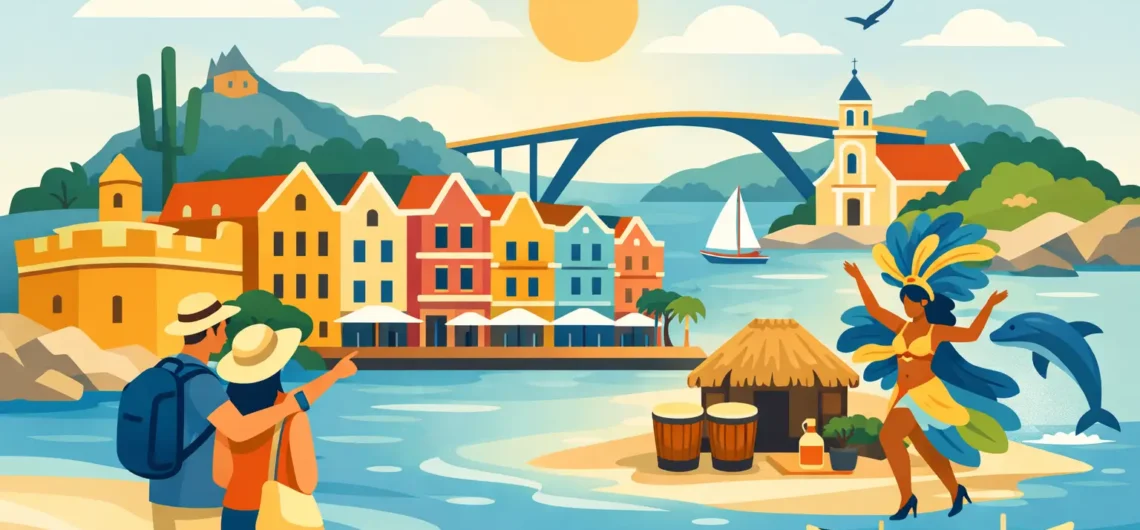
Punda bietet Ihnen die berühmten Farben der Uferpromenade, die viele Besucher bereits von Fotos kennen, doch vor Ort wirkt es noch besser, da die Details besser zur Geltung kommen. Man nimmt die engen Gassen wahr, die Mischung aus Geschäften und öffentlichen Plätzen und die Art und Weise, wie sich das tägliche Leben rund um den historischen Kern entfaltet. Auch die Königin-Emma-Brücke ist Teil dieses Erlebnisses. Sie ist praktisch, ikonisch und nach wie vor eine der einfachsten Möglichkeiten, den Charakter der Stadt in nur wenigen Minuten zu spüren.
Diese Gegend eignet sich gut für Erstbesucher, da sie überschaubar und leicht zu verstehen ist. Wenn Sie sich schnell orientieren möchten, ist Punda einer der interessantesten kulturellen Anlaufpunkte der Insel.
Otrobanda – Wandmalereien, Struktur und lokaler Charakter
Sobald man nach Otrobanda gelangt, ändert sich die Atmosphäre. Der Stadtteil wirkt facettenreicher, teilweise eher wohnlich und drückt sich oft durch Straßenkunst und den Anblick der Nachbarschaft ausdrucksstärker aus. Das Viertel Kura Hulanda und die umliegenden Straßen können Ihrem Tag eine tiefere Ebene verleihen, insbesondere wenn Sie sich bei Ihrem kulturellen Ausflug weniger Glanz und mehr Bodenständigkeit wünschen.
Otrobanda erinnert uns daran, dass Kultur nicht immer in einer offiziellen Sehenswürdigkeit zu finden ist. Manchmal steckt sie in den Mauern, den Treppen, der Musik, die aus einer Tür dringt, und darin, wie das alte und das neue Curaçao Seite an Seite existieren.
Fügen Sie Museen hinzu, aber wählen Sie das richtige für Ihren Stil aus
Viele Reisende sagen, sie seien an Kultur interessiert, aber nicht jeder versteht darunter dasselbe. Die einen möchten, dass ihnen die Geschichte anschaulich erklärt wird. Andere wünschen sich einen kurzen Zwischenstopp mit starker visueller Wirkung. Auf Curaçao können Museen beides bieten, aber es hängt davon ab, wie Sie Ihren Tag gestalten möchten.
Das Curaçao-Museum ist eine gute Wahl, wenn Sie sich für die allgemeine Geschichte der Insel und Kunst an einem Ort interessieren. Es vermittelt Hintergrundwissen, ohne dass man dafür viel Zeit aufwenden muss. Das Kura-Hulanda-Museum kann emotional belastender sein, da die Ausstellungsstücke mit dem transatlantischen Sklavenhandel und der afrikanischen Diaspora im weiteren Sinne in Verbindung stehen. Für viele Besucher ist es eine der bedeutendsten Stationen auf der Insel. Für andere, insbesondere Familien mit jüngeren Kindern, sollte der Besuch je nach Aufmerksamkeitsspanne und Alter wohlüberlegt geplant werden.
Das ist der Kompromiss bei kulturellen Besichtigungen. Der lohnenswerteste Zwischenstopp ist nicht immer der einfachste. Wenn Sie zu zweit unterwegs sind, möchten Sie vielleicht einen tieferen Einblick in die Geschichte gewinnen. Wenn Sie mit Kindern oder einer Gruppe unterwegs sind, ist vielleicht eine lockerere Mischung aus Architektur, Essen und öffentlicher Kunst die bessere Wahl.
Die lokale Küche ist eines der besten kulturellen Highlights der Insel
Viele Besucher trennen Essen und Kultur voneinander, doch auf Curaçao ist das ein Fehler. Wenn Sie die Insel verstehen wollen, sollten Sie dort essen, wo auch die Einheimischen essen, und mehr als nur die üblichen Strandgerichte probieren. Die lokalen Gerichte verraten viel über die Einflüsse der Insel und ihren alltäglichen Geschmack.
Das „Plasa Bieu“ in Willemstad ist oft eine der praktischsten Adressen für kulinarische Erlebnisse, da es ein lokales, unkompliziertes Ambiente voller Charakter bietet. Hier können Sie Gerichte nach Inselart in einer Umgebung genießen, die nicht wie eine Inszenierung für Touristen wirkt. Das ist wichtig, wenn Sie etwas Authentisches suchen, das dennoch leicht zugänglich ist.
Man muss nicht den ganzen Tag in eine kulinarische Entdeckungstour verwandeln. Eine einzige gute Mittagspause kann schon ausreichen, um den Tag zu bereichern. Der Schlüssel liegt darin, nicht automatisch die schickste Option zu wählen. Manchmal ist der Ort mit dem größten kulturellen Wert gerade der, der von außen am unscheinbarsten wirkt.
Märkte und Kunsthandwerk zeigen die Insel jenseits der Postkarten
Wenn Sie sich unter einem guten Souvenir etwas vorstellen, das echten lokalen Charakter hat, sollten Märkte und Kunsthandwerksläden auf Ihrer Liste nicht fehlen. Dort finden Sie handgefertigte Artikel, karibische Farbenpracht, lokale Snacks und kleine Einblicke in den Inselalltag, die persönlicher wirken als 08/15-Geschenke.
Je nach Tag und Uhrzeit können Marktbesuche ein Volltreffer oder ein Reinfall sein. Manche wirken lebhaft und authentisch. Andere sind vielleicht ruhiger als erwartet, wenn man zur falschen Uhrzeit dort ankommt. Deshalb kann eine geführte Tour den Unterschied ausmachen – der richtige Zeitpunkt ist wichtiger, als vielen Reisenden bewusst ist. Derselbe Markt kann zu einer bestimmten Zeit voller Leben sein und später fast menschenleer wirken.
Für Besucher mit begrenztem Zeitbudget ist dies ein weiterer Bereich, in dem Bequemlichkeit eine wichtige Rolle spielt. Man möchte schließlich nicht die Hälfte seines Urlaubs damit verbringen, herauszufinden, welche Orte gerade angesagt sind und einen Ausflug wert sind.
Landhäuser zeigen Ihnen eine andere Seite der Kultur von Curaçao
Abseits von Willemstad bieten Curaçaos historische „Landhuizen“ – alte Plantagenhäuser und Anwesen – einen weiteren Einblick in die Geschichte der Insel. Bei diesen Zwischenstopps geht es weniger um die urbane Lebendigkeit als vielmehr um Geschichte, Architektur, Landschaft und die Entwicklung Curaçaos im Laufe der Zeit.
Nicht jedes Landhaus ist für jeden Reisenden das Richtige. Manche bieten mehr Abwechslung, da sie Restaurants, Gärten oder ein abwechslungsreiches Kulturprogramm umfassen. Andere sind ruhiger und eignen sich besser für Reisende, die es vorziehen, Sehenswürdigkeiten in gemächlichem Tempo zu erkunden. Wenn Sie eine Fahrt durch die Landschaft mit Orten wie dem Christoffelpark oder Shete Boka verbinden, kann ein Besuch in einem Landhaus den Tag abrunden und dafür sorgen, dass er sich weniger wie eine reine Naturtour anfühlt.
Auch für Wiederholungsbesucher ist dies eine gute Wahl. Wenn Sie die wichtigsten Sehenswürdigkeiten der Stadt bereits gesehen haben, können Ihnen die Landhäuser eine andere Seite der Insel zeigen, ohne dass sich der Besuch wiederholt.
Religiöse Stätten und Denkmäler können kurze, aber lohnenswerte Zwischenstopps sein
Die Kirchen, öffentlichen Denkmäler und Sehenswürdigkeiten in den Stadtvierteln von Curaçao eignen sich oft eher als kurze Abstecher denn als zentrale Punkte einer Reiseroute. Sie können einer Route Struktur verleihen, insbesondere wenn Sie ohnehin bereits zwischen Stadtvierteln oder Aussichtspunkten unterwegs sind.
Auf dem Papier sind diese Stationen vielleicht nicht immer die größten Publikumsmagneten, doch in Kombination mit dem richtigen Reiseleiter oder dem lokalen Kontext können sie eine echte Tiefe verleihen. Ein Kirchenbesuch dauert vielleicht nur 15 Minuten. Ein Denkmal ist vielleicht nur ein Fotostopp. Doch zusammen tragen sie dazu bei, die Identität der Insel auf eine Weise zu verdeutlichen, wie es das „Strandhopping“ niemals könnte.
Für Kreuzfahrtgäste ist dies besonders nützlich. Sie können einen gelungenen Halbtagesausflug zusammenstellen, der Stadtbesichtigungen, ein lokales Essen, den Besuch eines Museums und einige kurze Zwischenstopps bei historischen Sehenswürdigkeiten vereint, ohne den Zeitplan zu überfrachten.
So erstellen Sie den passenden Reiseführer mit kulturellen Sehenswürdigkeiten auf Curaçao für Ihre Reise
Der beste Reiseführer für kulturelle Sehenswürdigkeiten auf Curaçao ist nicht unbedingt der umfangreichste. Es ist derjenige, der zu Ihrem Urlaubsstil passt. Wenn Sie gerne zu Fuß durch Städte erkunden, verbringen Sie mehr Zeit in Willemstad und weniger Zeit mit Autofahren. Wenn Sie einen umfassenderen Eindruck von der Insel gewinnen möchten, kombinieren Sie den Stadtbesuch mit einem oder zwei Ausflügen zu historischen Stätten auf dem Land. Wenn Ihre Gruppe schnell unruhig wird, kombinieren Sie kulturelle Sehenswürdigkeiten mit einem Strandausflug oder einem Besuch an einem Aussichtspunkt.
Eine gute Faustregel ist es, drei Höhepunkte für einen Tag auszuwählen. Beginnen Sie zum Beispiel mit Willemstad, fügen Sie ein Museum oder das Wandmalerei-Viertel hinzu und runden Sie den Tag mit einem Mittagessen in einem lokalen Restaurant ab. Oder kombinieren Sie einen historischen Besuch mit einer malerischen Fahrt entlang der Nordküste und einem kulinarischen Zwischenstopp. Wenn Sie versuchen, zu viele kulturelle Sehenswürdigkeiten unterzubringen, kann sich der Tag gehetzt anfühlen, was den Sinn des Ganzen zunichte macht.
Auch hier haben lokale Anbieter einen Vorteil. Ein gut geplanter, geführter Tagesausflug kann Zeit sparen, Unsicherheiten vermeiden und dafür sorgen, dass man die Insel unbeschwerter genießen kann. Curaçao Dreams Travel basiert auf genau dieser Idee: Wir helfen Besuchern dabei, die wichtigsten Highlights zu entdecken – mit sicheren und hochwertigen Ausflügen, die den Tag unkompliziert und angenehm gestalten.
Was Reisende meistens falsch machen
Der größte Fehler ist es, Kultur als Nebensache zu betrachten, anstatt sie als Teil des Haupterlebnisses zu sehen. Die Leute buchen den Strand, die Schildkröten, die malerischen Autofahrten – und versuchen dann, Kultur in die verbleibende Zeit hineinzudrücken. Auf Curaçao bedeutet das meist, dass sie genau die Orte verpassen, die die Insel am besten erklären.
Ein weiterer Fehler ist die Annahme, dass jeder kulturelle Zwischenstopp einen ausgiebigen Besuch erfordert. Das ist nicht der Fall. Eine Straße, ein Platz, eine Imbissstube oder ein Museumsraum können schon ausreichen, um Ihre Sicht auf die Insel zu verändern. Das Ziel ist nicht, Punkte abzuhaken. Es geht darum, mit dem Gefühl nach Hause zu fahren, Curaçao kennengelernt zu haben – und nicht nur fotografiert zu haben.
Wenn man seinen Tag mit dieser Einstellung plant, eröffnet sich die Insel einem schnell. Man hört auf, sich wie ein Tourist zu verhalten, der den Highlights hinterherjagt, und beginnt, sich wie ein Besucher zu verhalten, der tatsächlich versteht, worin der Wert liegt.
Zu einem gelungenen Kulturtag auf Curaçao gehören in der Regel Farbenpracht, gute Gespräche, Geschichte und etwas Leckeres zu essen – und wenn man ein wenig Raum für Überraschungen lässt, kümmert sich die Insel meist um den Rest.